KCJ Knowledge Center
Key Trends in Kosher Certification 2025

Robust Global Market Expansion
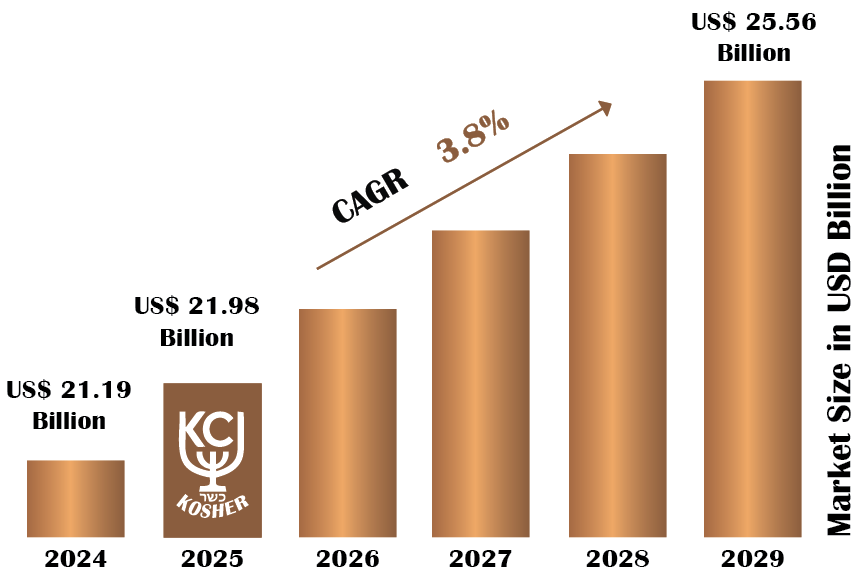
Future Market Insights projects the kosher foods market will grow from USD 44.4 billion in 2025 to USD 82.55 billion by 2035, at a CAGR of 6.8% Future Market InsightsFMIBlog.
The Insight Partners report predicts growth from US$ 53.64 billion in 2024 to US$ 111.33 billion by 2031, with an acceleration to a 10.8% CAGR GlobeNewswire.
Expert Market Research suggests a base of USD 36.81 billion in 2024, growing to approx. USD 70.41 billion by 2034, at 6.7% CAGR Market Research.
Other forecasts report a 6–6.5% CAGR through the 2025–2031 period, depending on the source
Bottom line: Very strong and consistent growth across multiple projections.
Broadening Consumer Base and E-commerce
More than 80% of kosher food purchases in the U.S. now come from non-Jewish consumers, drawn by the “clean label” and quality assurance that kosher certification symbolizes GlobeNewswireGlobeNewswire.
E-commerce is a key driver—online platforms simplify access to kosher products, especially for niche producers and global customers, offering filters, subscriptions, and convenience GlobeNewswireGlobeNewswire.
Technological Innovation & Transparency
Digital transformation is reshaping certification—blockchain, AI-based audits, and mobile apps are enabling real-time tracking, increased transparency, and consumer empowerment Soka WorldFMIBlog.
Enhanced labeling, including QR codes and rich certifications, build trust and clarity for consumers FMIBlogDataintelo.
Expansion into New Categories & Channels
Beyond food, cosmetics, pharmaceuticals, and dietary supplements are embracing kosher certification, especially in markets like India, where ethical and quality perception matters Soka World.
There’s growing adoption of kosher certification in plant-based, vegan, organic, and clean-label products, aligning with rising health, ethical, and environmental preferences IMARC GroupDataM IntelligenceFMIBlog.
Regional Dynamics
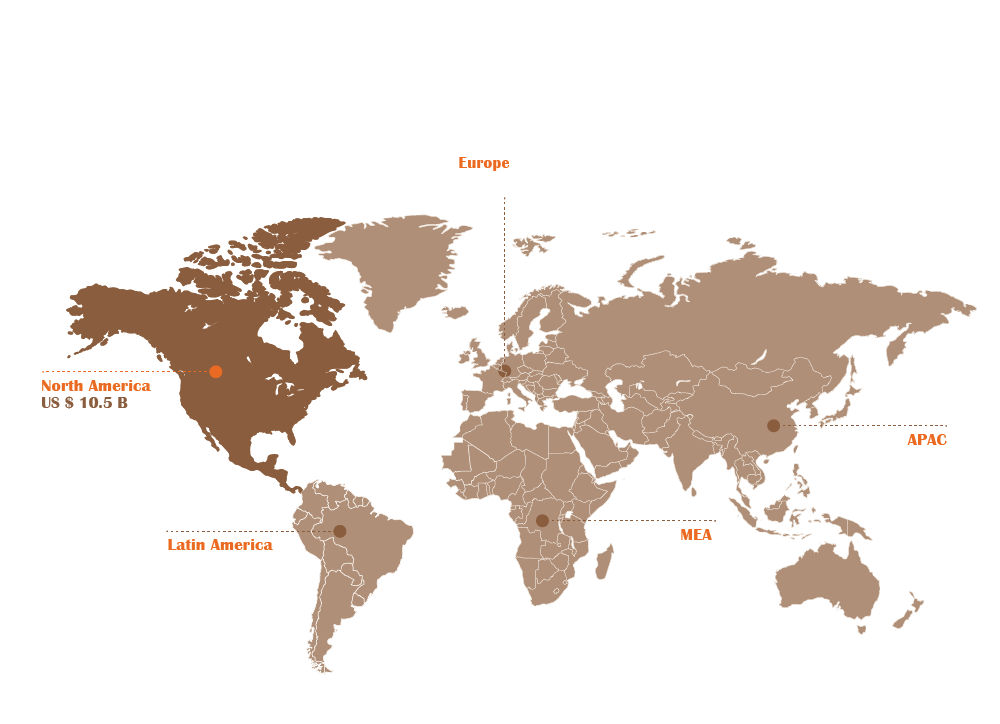
North America remains dominant—accounting for up to 40–52% of market share—backed by established infrastructure and high consumer awareness DataHorizzon ResearchCredence Research Inc.Dataintelo.
Asia-Pacific exhibits the fastest growth, with CAGRs around 5–6%, fueled by rising incomes, urbanization, and increasing kosher awareness in countries like China and India DatainteloFMIBlog.
Europe (e.g., Germany, UK, France) and Middle East / Latin America are seeing steady growth—especially as kosher is adopted for both religious and perceived quality reasons Credence Research Inc.FMIBlogMarket ResearchDataintelo.
Manufacturers & Industry Dynamics
Food manufacturers are increasingly seeking kosher certification as a mark of quality and a competitive edge, especially for export and premium markets DataHorizzon ResearchDataM Intelligence.
However, production costs, certification fees, and facility requirements can be barriers—particularly for smaller businesses DataM Intelligence.
United Arab Emirates (UAE)
The UAE has rapidly developed a robust kosher ecosystem. The Emirates Agency for Kosher Certification (EAKC), founded by Rabbi Levi Duchman, is the first fully licensed kosher authority recognized by UAE authorities. It supervises restaurants, hotels, slaughterhouses, and more—including Armani/Kaf, the country’s first Glatt-Kosher restaurant inside the Burj Khalifa. The EAKC also supplies around 1,000 kosher-certified chickens per week locally Wikipedia+1.
The state is encouraging kosher food deployment—Abu Dhabi’s Department of Culture & Tourism recommended hotels to offer kosher meals, set aside dedicated kitchen space, and actively pursue kosher certification WikipediaReddit.
STAR-K Kosher Certification has a growing presence in the UAE. A notable agreement with Jebel Ali Free Zone (Jafza) aims to educate and assist food producers in obtaining kosher certification Star KJebel Ali Free Zone (Jafza).
The UAE’s strategic role as a logistics hub has facilitated exports of kosher-certified products to markets such as Israel. Companies like Al Barakah Dates Factory and Hunter Foods have multiple certified items being exported Sunna Files.
According to 2025 data, the UAE is among 104 countries producing kosher-certified foods, with both the Orthodox Union (OU) and other agencies operating locally—reflecting deepening geopolitical ties and expanding market access Kosher NexusThe Jerusalem Post.
Saudi Arabia
While less publicized, kosher certification activity in Saudi Arabia exists, primarily through visits by Orthodox Union supervisors to inspect certain food products The Jerusalem Post+1.
Insider anecdotes confirm ongoing certification efforts. One user noted:
“My friends dad is an KCJ rabbi who goes to Saudi Arabia to check kosher products/ingredients produced in Saudi Arabia.”
Overall, the Saudi kosher scene is niche and covert, likely focused on specific exporters or ingredient manufacturers aiming to access international markets such as the U.S. or Israel.
Jordan
In Jordan, KCJ offers kosher certification services, assisting local manufacturers via gap analysis, audits, technical support, and training KCJ.
Global Standards conformity Co., a consultancy, outlines that kosher certification in Jordan spans food production, processing, restaurants, catering, retailers, pharmaceuticals, cosmetics, and ingredient suppliers. Turnaround times range from weeks to a month, and costs vary by product complexity and agency GlobalStandards.
Egypt
Egypt shows growing activity in kosher exports. As of mid-2024, approximately 206 Egyptian products—including juice, frozen okra, and molokhia by companies like Faragalla and Agro Green—are kosher-certified and exported to Israel Middle East Eye.
Market intelligence reports, such as from 6Wresearch, indicate the Egyptian kosher food market is emerging, signaling rising domestic awareness and demand for kosher products 6Wresearch.
Agencies like CAS facilitate kosher certification in Egypt, offering services including ingredient review, facility audits, and rabbinic inspections to ensure symbolic compliance. Certification opens doors for export to markets like the U.S., Israel, and Europe.
Insights & Opportunities
UAE leads the region: institutional backing, infrastructure, and export-ready certification capacity.
Saudi Arabia remains discreet: with niche, private certification tailored toward specific exports.
Jordan is establishing frameworks for kosher certification with accessible support from external agencies.
Egypt is expanding its kosher footprint, though challenges include public trust and regulatory clarity.
SHARE:
KCJ Blog & Articles
latest posts
The Future of Kosher Certification
Kosher: A Gateway to Global Trade
Why Become Kosher
Food Transparency: A Growing Consumer Expectation
Ancient Laws and Modern Market
KCJ TRADEMARK
KCJ view certification as a partnership, not transaction.
Over the decades, we have nurtured long-lasting relationships with our clients, built on mutual respect, collaboration, and a shared vision for success.
KCJ‘s approach combines exceptional customer service, a transparent and reasonable fee structure, and an unwavering commitment to guiding our clients through every stage of certification.